

Metabolic Health Tracker: When Data Becomes Actionable

Metabolic health trackers promise to make invisible signals visible—but measuring is not the same as understanding. This guide explains what CGMs, smartwatches, and smart rings actually capture, where their accuracy is conditional, and what it takes to turn raw data into a corrective metabolic plan.
Weight Loss Exercises: What the Science Says Actually Works

Most people choose weight loss exercises based on calorie burn—but current research points to a more effective strategy built around preserving muscle and protecting metabolic rate. This guide cuts through the noise to explain what exercise actually does for body composition, including what the evidence shows for those using GLP-1 medications.
Strength Training for Metabolic Health: The Science Behind Muscle as Medicine

Skeletal muscle is the body’s largest metabolic organ, governing glucose regulation, systemic inflammation, and energy balance around the clock. Strength training for metabolic health is among the most evidence-backed interventions available for correcting metabolic dysfunction at its root. This article moves from mechanism to clinical application—written for readers who want the actual science.
Menopause Self-Care: What Works, What Has a Ceiling, and When to Seek Clinical Help

More than 80% of midlife women manage menopause symptoms without medical care—and for good reason. This article breaks down which self-care strategies are backed by science, where each one reaches its limit, and how to recognize when lifestyle changes alone are no longer enough.
Body Fat Composition Chart: What Your Number Actually Means

A body fat composition chart is a useful starting point, but a single number rarely tells the whole story. Sex, age, menopausal status, muscle mass, and measurement method all shape what your percentage actually means. This guide unpacks those variables so your number becomes something you can genuinely understand.
GLP-1 Diet Plan Without Medication: The Hormonal Science Behind Food as a Tool
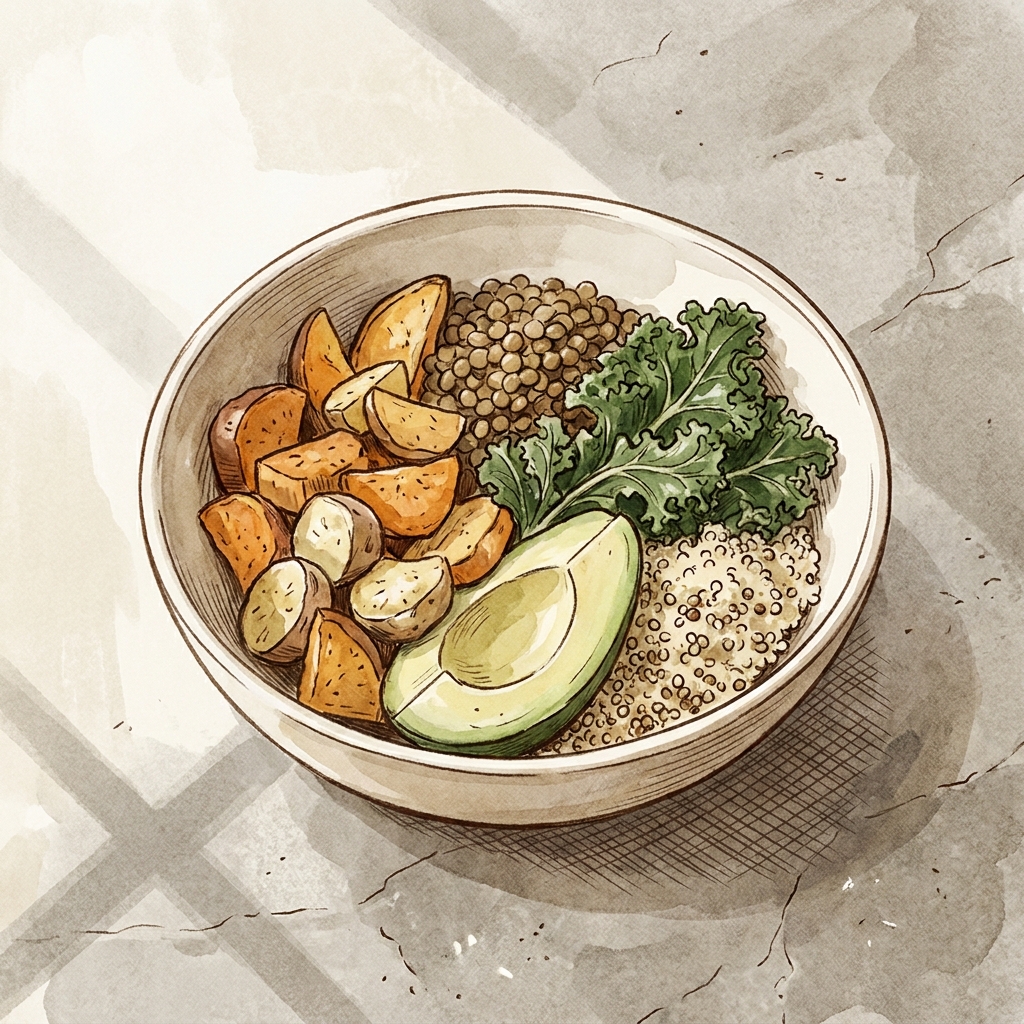
GLP-1 is a hormone your gut produces after every meal — and the foods you eat directly shape how much of it gets released. This article maps a science-backed GLP-1 diet plan without medication to the precise biological pathways that govern natural hormone production. It is written for anyone seeking meaningful metabolic support through diet, whether medication is unavailable, unwanted, or part of a broader strategy.
GLP-1 Diet Without Medication: The Nutritional Science Behind Endogenous Secretion

Your body produces GLP-1 naturally, and the foods you eat directly influence how much. This article breaks down the molecular science behind endogenous GLP-1 secretion and translates it into four evidence-based dietary strategies—fiber type, meal sequencing, eating pace, and circadian timing—that support metabolic health from the inside out.
Pharmaceutical Weight Loss Drugs: A Clinical Guide to Every Class

Not all pharmaceutical weight loss drugs work the same way—and for patients, that distinction matters more than popularity or brand recognition. This clinical guide organizes every FDA-approved medication class by how it works inside the body, so you and your provider can identify the approach that fits your metabolic profile and long-term health goals.
Body Composition Machine: What Each Type Measures and Why It Matters

Two people can share the same weight and BMI yet have entirely different metabolic health profiles — only a body composition machine can reveal the difference. This guide maps five machine types, from consumer smart scales to clinical DEXA, so you understand what data quality actually means for sound health decisions. Knowing which measurement standard to trust is the first step toward a credible metabolic program.
Body Composition Examples: What Different Profiles Actually Mean for Your Health
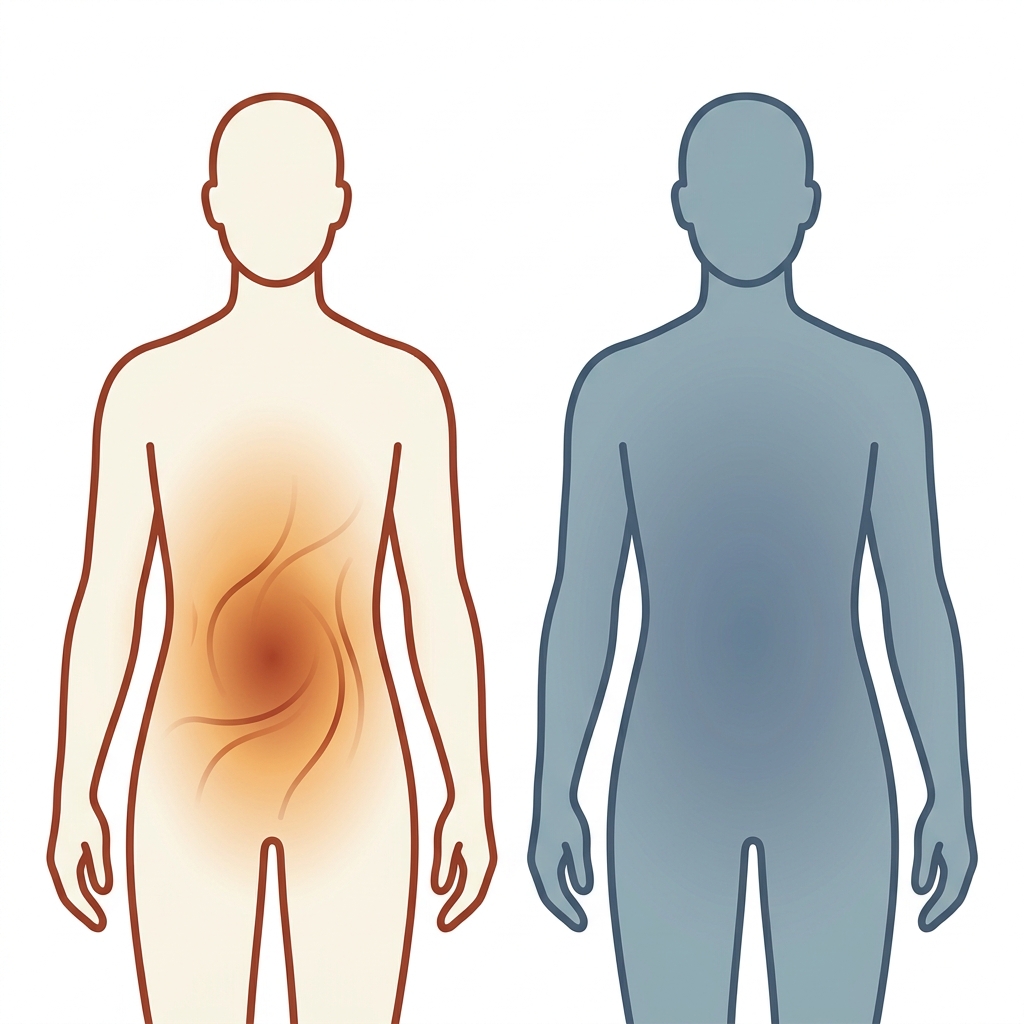
Two people can weigh the same and carry entirely different metabolic risk—because weight alone tells only part of the story. This article walks through five clinical body composition examples, each grounded in measurable markers like visceral fat, insulin resistance, and cardiovascular risk. Understanding your actual composition is the first step toward meaningful, sustainable health.
Body Composition Check: What a Clinical Assessment Actually Reveals

A number on the scale tells you how much you weigh—it says nothing about what you are actually made of. A clinical body composition check measures muscle, fat distribution, and metabolic risk in ways BMI and consumer devices simply cannot. Here is what a real assessment reveals and how clinicians use that data to build a personalized plan.
Weight Loss Medication Not GLP-1: What Else Exists Clinically

GLP-1 medications aren’t the right fit for every patient — contraindications, cost, and discontinuation rates leave a meaningful share of people looking elsewhere. Non-GLP-1 weight loss medications are distinct clinical tools with their own mechanisms and appropriate patient profiles. The variable that most often determines success isn’t the drug class — it’s the structure and supervision built around it.