
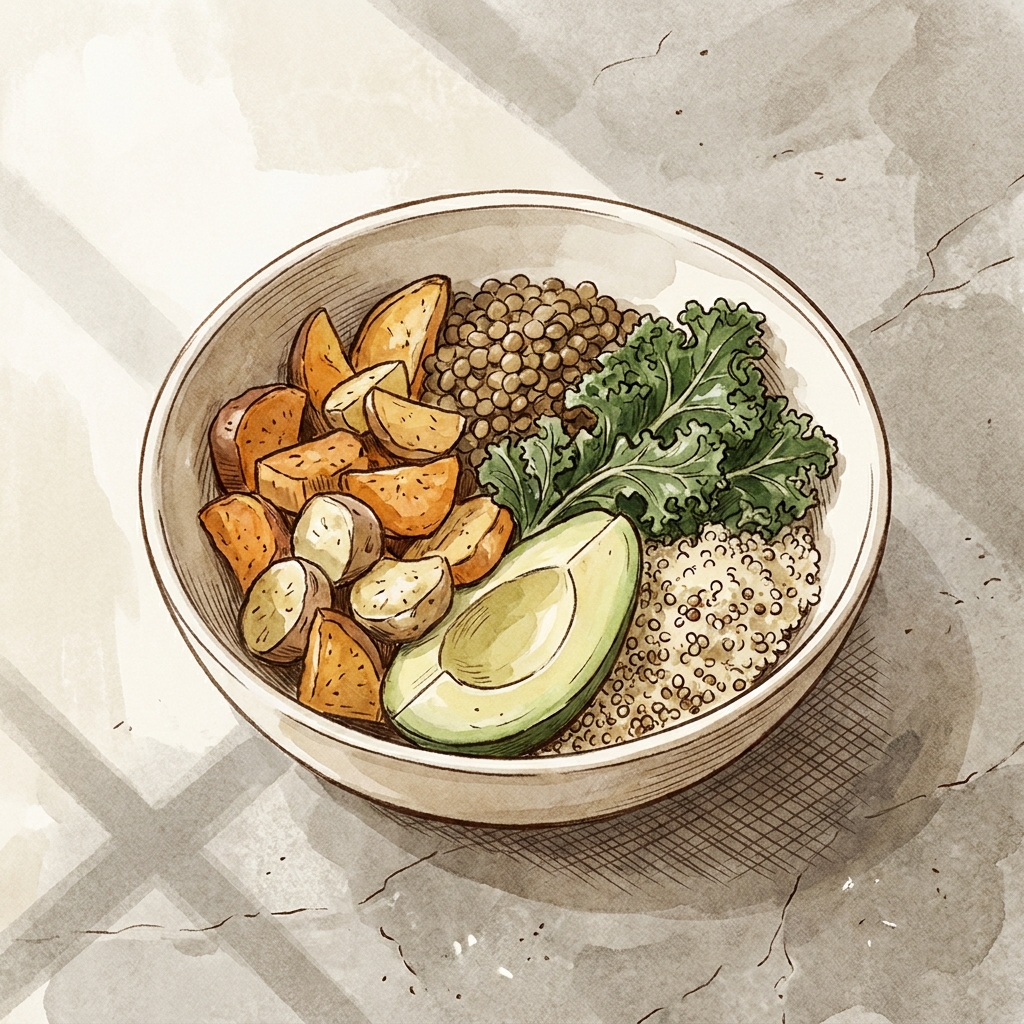
GLP-1 is not a pharmaceutical invention. It is a hormone the gut produces naturally after every meal, and the foods a person eats directly govern how much of it gets released. That single fact reframes the entire conversation around metabolic health.
GLP-1 medications have reshaped metabolic medicine over the past several years. But cost barriers, coverage changes, and personal preference mean millions of people are seeking dietary strategies instead. In January 2026, Pennsylvania eliminated Medicaid GLP-1 coverage for weight loss, and California’s Medi-Cal ended coverage for weight-loss-only GLP-1 prescriptions. Survey data shows that 68% of patients cite cost as influencing their GLP-1 use, and cost is now the most frequently cited reason for discontinuation, surpassing side effects.
Here is the honest framing this article commits to upfront: dietary strategies are a meaningful and evidence-backed metabolic lever, not a pharmaceutical equivalent. That distinction matters for setting realistic expectations.
Rather than offering a simple food list, this article maps specific dietary and behavioral strategies to the precise biological pathways that govern natural GLP-1 production. It is written for the medication-hesitant, the cost-excluded, current users optimizing their results, and those working to maintain progress after stopping medication.
What GLP-1 Actually Is and Why It Matters for Metabolic Health
GLP-1 (glucagon-like peptide-1) is a natural incretin hormone secreted by L-cells in the distal small intestine and colon in response to food. It performs four core physiological actions: it slows gastric emptying, stimulates insulin release in response to glucose, suppresses glucagon, and sends satiety signals to the brain via the vagus nerve.
Together, these actions reduce post-meal blood glucose spikes, extend the feeling of fullness, and reduce overall caloric intake without requiring sheer willpower. GLP-1 medications work by mimicking or prolonging these same natural signals. They do not introduce a foreign mechanism; they amplify one that already exists.
The key limitation of the body’s own GLP-1 is its speed of breakdown. It is degraded rapidly by an enzyme called DPP-4, giving it a half-life of only one to two minutes in circulation. This is why effective dietary strategies focus both on stimulating more production and on slowing its breakdown. Understanding these pathways allows a person to make dietary choices that work with their biology rather than against it.
The Biological Pathways That Control Natural GLP-1 Production
This section forms the mechanistic core of the article: the “why” behind every recommendation that follows. There are five distinct, evidence-supported pathways through which food and behavior influence GLP-1 levels. The most effective strategies target several of them simultaneously.
Pathway 1: L-Cell Stimulation — How Food Physically Triggers GLP-1 Release
L-cells are enteroendocrine cells lining the gut wall, most concentrated in the distal small intestine and colon. They release GLP-1 when they detect specific nutrients passing through. Three macronutrient categories stimulate them most effectively: dietary fat (particularly monounsaturated fats), protein (particularly whey, fish, and eggs), and fermentable carbohydrates (fiber and resistant starch).
The mechanism is direct: nutrients activate G-protein coupled receptors and ion channels on the L-cell surface, triggering GLP-1 secretion into the portal circulation. A key insight is that mixed meals combining protein, fat, and fiber produce larger and more sustained GLP-1 responses than single-macronutrient meals. Meal composition, not just food choice, is the primary lever.
The Mediterranean diet is the best-studied pattern in this context. Human studies show higher post-meal GLP-1 levels, improved insulin sensitivity, and lower blood glucose compared to diets high in saturated fat. The honest caveat: natural dietary stimulation produces meaningful but modest GLP-1 elevations, not the sustained pharmacological levels achieved with medication.
Pathway 2: The Gut Microbiome–SCFA–FFAR2/3 Loop
The gut microbiome is a critical upstream driver of GLP-1 secretion that most dietary content ignores entirely. Gut bacteria (particularly Bifidobacterium and Lactococcus species) ferment dietary fiber and resistant starch into short-chain fatty acids (SCFAs): primarily butyrate, propionate, and acetate.
These SCFAs bind to FFAR2 (GPR43) and FFAR3 (GPR41) receptors on colonic L-cells, directly triggering GLP-1 release. A foundational study published in Diabetes by the American Diabetes Association established this pathway. The dietary inputs that feed it include prebiotic-rich vegetables (garlic, onion, leeks, chicory root), fermented foods (yogurt, kefir, kimchi, sauerkraut), legumes, oats, barley, and cooked-and-cooled potatoes.
This is a pattern-level effect, not a single-meal effect. It takes weeks to months of consistent fiber intake to meaningfully shift microbiome composition. A 2026 review noted that GLP-1 medications and the gut microbiome influence one another through bile acid and SCFA signaling, suggesting microbiome health matters whether or not someone is on medication.
Pathway 3: DPP-4 Inhibition — Slowing the Breakdown of GLP-1 Already Produced
DPP-4 is the enzyme that degrades circulating GLP-1 within minutes, which is why its natural half-life is so short. One mechanism by which GLP-1 medications work is protecting GLP-1 from this degradation.
There is a dietary parallel. Certain polyphenol-rich foods contain compounds that naturally inhibit DPP-4 activity, extending the active life of GLP-1 already produced. The key dietary contributors are berries (particularly blueberries and strawberries), green tea (rich in EGCG), dark chocolate with high cacao content, and certain vegetables. Dietary DPP-4 inhibition is modest compared to pharmaceutical inhibition, but it is a real and additive effect when combined with other pathways.
A word of caution: berberine is sometimes marketed as a natural GLP-1 agent, but a 2025 study found no meaningful change in body fat accumulation in participants taking 1g daily for six months. This is the clearest example of why mechanism matters more than marketing.
Pathway 4: Circadian GLP-1 Rhythms — When a Person Eats Is as Important as What They Eat
GLP-1 secretion follows a circadian rhythm. The same meal eaten at different times produces measurably different hormonal responses. Research shows that a meal eaten at 8 a.m. stimulates a more pronounced GLP-1 release than the same meal eaten at 5 p.m. L-cell sensitivity and gut motility are regulated by circadian clock genes, making morning meals more hormonally productive.
Research on early time-restricted eating shows synergy with GLP-1 activity, supporting protocols that concentrate eating in the morning and early afternoon. This is not about skipping dinner; it is about making breakfast and lunch the metabolically heavier meals, aligning intake with how the body is primed to respond. This pathway is almost entirely absent from competing content despite strong research support.
Pathway 5: The Exercise–Microbiome–GLP-1 Synergy Loop
Exercise is a potent natural GLP-1 booster and a synergistic partner to diet. A 2025 study published in Obesity (Wiley) found that a one-year exercise program after diet-induced weight loss meaningfully increased late-phase postprandial GLP-1 response, potentially helping prevent appetite rebound and weight regain.
The mechanism is twofold: exercise boosts GLP-1 partly through interleukin-6 (IL-6), a myokine released by contracting muscle, and partly by reshaping the gut microbiome toward more SCFA-producing bacteria. Both aerobic and resistance training raise GLP-1 levels, per a 2025 meta-analysis, with resistance training carrying the added benefit of preserving muscle mass. Framed correctly, exercise is not a willpower challenge but a biological input to the same hormonal system that diet targets.
Building a GLP-1 Diet Plan: Mapping Food Choices to Each Pathway
With the five pathways established, the goal is not to optimize a single one but to build a dietary pattern that activates several simultaneously. A structured program achieves this more reliably than isolated food swaps.
Protein: The Most Potent Single-Macronutrient L-Cell Stimulator
Dietary protein is among the most effective single macronutrients for stimulating L-cell GLP-1 release, with whey, fish, eggs, and lean meats showing the strongest evidence. The 2025 Joint Advisory from ACLM, ASN, OMA, and The Obesity Society recommends protein targets of 1.2 to 1.6g per kilogram of body weight per day, a range that also supports muscle preservation. A 2025 study found that lower protein intake was associated with greater muscle loss in people on GLP-1 medications. Omega-3 fatty acids, per a December 2025 narrative review, may further enhance GLP-1 pathway benefits and attenuate lean mass loss. Distributing high-protein weight loss strategies across meals rather than concentrating intake at dinner also aligns with the circadian pathway.
Fiber and Resistant Starch: Feeding the Microbiome–SCFA–GLP-1 Loop
The 2025 Joint Advisory sets a fiber target of 25 to 38g per day, which most adults fall well short of. Soluble fermentable fiber is the primary driver of the SCFA-FFAR2/3-GLP-1 pathway. The highest-impact sources include oats, barley, legumes, cooked-and-cooled potatoes and rice (resistant starch), garlic, onion, leeks, and chicory root. Cooking and cooling starchy foods converts some digestible starch into resistant starch, a simple technique with real hormonal consequences. Fiber should be increased gradually to allow the microbiome to adapt.
Healthy Fats: Monounsaturated Fats as L-Cell Activators
Dietary fat stimulates L-cells through free fatty acid receptors, with monounsaturated fats (olive oil, avocados, nuts) showing the strongest evidence. Mediterranean-pattern meals rich in olive oil produce higher post-meal GLP-1 levels than high-saturated-fat meals. Fat also slows gastric emptying independently of GLP-1. By contrast, saturated fat is associated with blunted GLP-1 responses, making fat quality rather than quantity the relevant variable.
Polyphenol-Rich Foods: Supporting the DPP-4 Inhibition Pathway
The key dietary DPP-4 inhibitors are berries, green tea (2 to 3 cups daily for meaningful EGCG exposure), dark chocolate with 70%+ cacao, and colorful vegetables. These extend the active window of GLP-1 already produced rather than stimulating new production, and they carry independent antioxidant, anti-inflammatory, and cardiovascular benefits. Evidence-based polyphenol foods are not the same as supplement marketing.
Meal Sequence and Eating Behavior: Behavioral Levers With Hormonal Consequences
Meal sequence is a zero-cost strategy with measurable impact: eating protein or vegetables before carbohydrates results in higher GLP-1 levels than eating carbohydrates first. Protein and fiber consumed first slow gastric emptying and prime L-cells before the glucose load arrives. Slower eating with longer chewing time also increases GLP-1 secretion. A simple protocol: start with protein or non-starchy vegetables, then healthy fats, then carbohydrates. These habits are easy to understand but harder to sustain without structure.
The Lifestyle Factors That Undermine GLP-1, Even With a Good Diet
Dietary strategy alone is insufficient if two key disruptors go unaddressed: chronic stress and poor sleep. Chronic stress elevates cortisol, which impairs GLP-1 release and promotes insulin resistance, working against every dietary effort. Poor sleep disrupts circadian GLP-1 rhythms, reduces L-cell sensitivity, and increases appetite-stimulating ghrelin while suppressing satiety hormones.
Stress management and sleep hygiene are legitimate biological components of a GLP-1 optimization plan, not optional lifestyle add-ons. A UC Davis study also found that most people eligible for GLP-1 medications are already deficient in key micronutrients before starting, underscoring that dietary quality rather than calorie reduction alone is a foundational need. Addressing stress, sleep, micronutrient gaps, and dietary pattern simultaneously is precisely what a weight loss treatment clinical program provides.
Honest Perspective: What Dietary GLP-1 Support Can and Cannot Do
Dietary strategies can meaningfully increase the body’s own GLP-1 production, but the magnitude is far less than what is achievable with medication. A Mediterranean-pattern meal produces a measurable GLP-1 peak; pharmacological levels are sustained much higher and for much longer. The mechanisms overlap, but the scale does not.
What dietary GLP-1 support is genuinely effective for: improving post-meal satiety, reducing blood glucose variability, supporting gut microbiome health, reducing appetite rebound after weight loss, and building a metabolic foundation that sustains results over time.
The weight regain problem makes this especially relevant. A 2026 BMJ systematic review of 37 studies found that people who stop GLP-1 medications commonly experience weight regain over time, and a 2026 Cleveland Clinic study found that a substantial share of obesity patients who stopped regained weight within one year. The dietary habits described here are precisely what can slow or prevent that trajectory. Dietary GLP-1 support is not a substitute for medication in people who need it, but it is a meaningful, evidence-based foundation regardless of medication status.
Why Structure and Clinical Oversight Convert Good Habits Into Sustained Outcomes
There is a gap between knowing what to do and consistently doing it, and that gap is biological rather than a character flaw. These strategies work best when implemented as a coordinated pattern, not as isolated food swaps. Building and sustaining that pattern is where clinical structure makes the difference.
The 2025 Joint Advisory from ACLM, ASN, OMA, and The Obesity Society is the most authoritative guidance available, establishing specific protein, fiber, and muscle-preservation targets that are difficult to hit without monitoring. Clinical oversight adds metabolic assessment to identify individual barriers (hormonal, micronutrient, and inflammatory), personalized structure, accountability, and the ability to adjust as the body responds. The NIH has formally identified GLP-1 nutrition interaction as a priority research area, and clinical programs are better positioned to incorporate emerging evidence than generic online guidance.
This is where Red Mountain’s approach fits. With more than 30 years of real-world patient outcomes, in-person clinical oversight, and programs designed to support metabolic health (including minimizing side effects, preserving muscle mass, and maintaining nutrient balance), the practice helps patients build a foundation before considering medication or navigate the transition off it. For those who recognize their situation in what this article describes, a clinical consultation is typically the most efficient next step toward a plan built around their specific biology.
Conclusion: Food as a Hormonal Tool, Used Precisely
GLP-1 is not a drug-exclusive mechanism. It is a biological system that food, timing, movement, and lifestyle either support or undermine. Understanding the precise pathways makes dietary choices far more purposeful: L-cell stimulation through mixed, Mediterranean-pattern meals; the microbiome-SCFA-FFAR2/3 loop through fiber and fermented foods; DPP-4 inhibition through polyphenol-rich foods; circadian alignment through meal timing; and the exercise-microbiome synergy loop through consistent physical activity.
This is a meaningful metabolic lever, not a pharmaceutical equivalent, and it is most powerful when implemented as a structured, consistent pattern. Whether a person cannot access medication, prefers not to use it, is currently on it, or has stopped and wants to protect their progress, the biology supports deliberate action.
Ready to Build a Plan Around Your Biology?
The information here is a strong starting point. Translating it into a personalized, sustainable plan is where clinical guidance adds the most value. Red Mountain brings more than 30 years of clinical experience and an in-person provider model to that work.
A consultation is the place to understand what is specifically driving a person’s metabolic situation and what a structured plan would look like for them. It is a conversation about getting answers rather than making a commitment, and about helping the body work with its biology again rather than against it.