
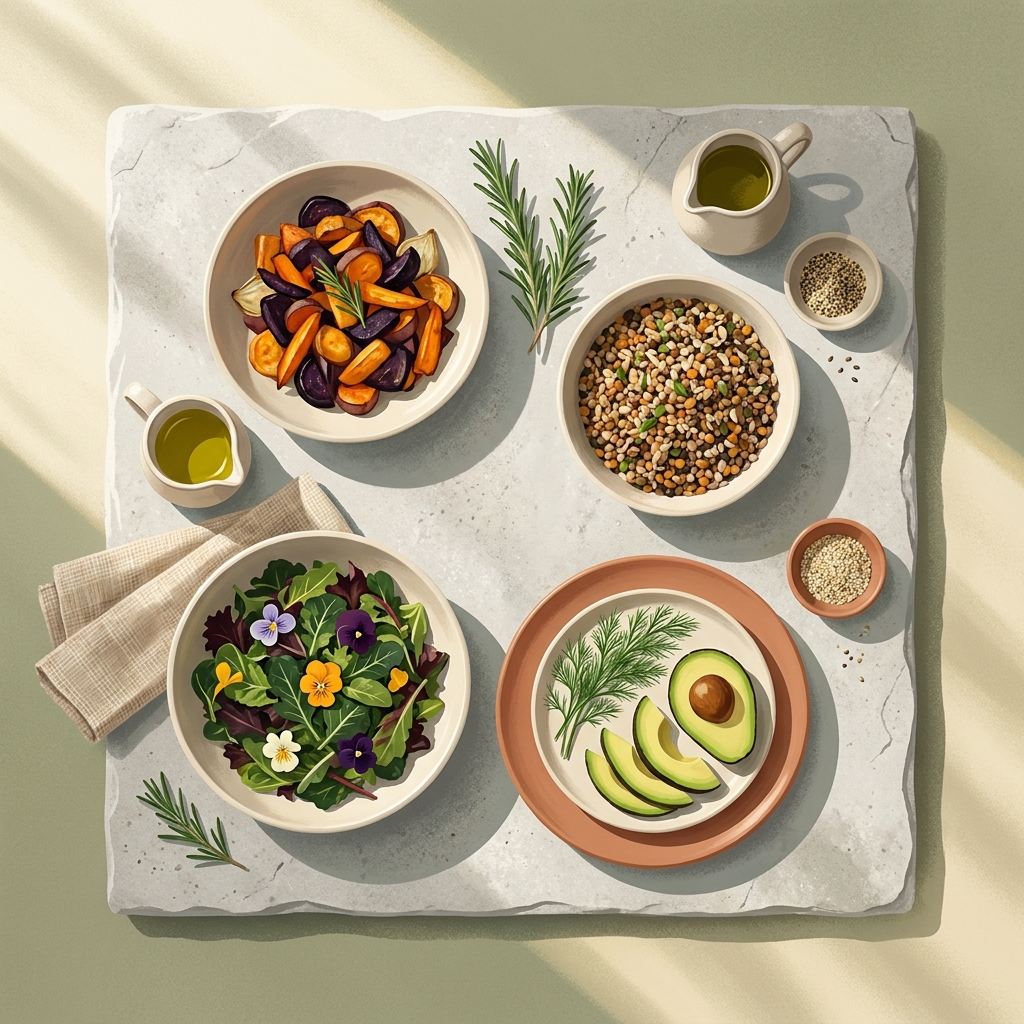
GLP-1 is not a drug invented in a laboratory. It is a hormone the human body produces every time a person eats. Specialized intestinal cells release it in response to food, and the amount released depends heavily on what, when, and how someone eats.
That distinction matters more than ever in 2026. Among adults who want to lose weight, roughly one-third expect to start a prescription GLP-1 medication this year, an estimated 48 million people. Yet most will not, because cost and access stand in the way. Sixty-eight percent of patients cite cost as a factor in their GLP-1 use, and coverage continues to shrink. This has created a large audience actively looking for dietary strategies that support the same biology.
This article does not simply list “GLP-1 foods.” It explains the precise biological cascade that triggers natural GLP-1 release, then translates that science into three dietary levers most readers have never encountered. It also sets honest expectations. Dietary strategies support GLP-1 pathways in meaningful ways, but they operate at a different physiological scale than prescription medication. This piece addresses that gap directly rather than overpromising.
Whether someone is medication-hesitant, cost-constrained, recently discontinued, or simply wants to strengthen their metabolic health before or alongside clinical care, understanding this biology puts them back in control.
The Biology First: How Your Body Produces GLP-1 Naturally
Glucagon-like peptide-1, or GLP-1, is a naturally occurring incretin hormone secreted by intestinal L-cells in response to food intake. Endogenous GLP-1 performs four primary jobs: it stimulates insulin secretion in response to glucose, slows gastric emptying (which creates a sense of fullness), suppresses glucagon (reducing the liver’s glucose output), and signals satiety to the brain. All of this happens without a prescription.
Where L-cells live is important. They sit predominantly in the distal small intestine and colon, meaning nutrients must travel far enough through the gut to reach them. That single fact has direct implications for meal composition and eating speed.
Think of this as an enteroendocrine signaling cascade. Food components act as chemical signals that unlock L-cell secretion, and different macronutrients and fiber types activate different receptor pathways. Three mechanisms deserve a closer look: direct macronutrient stimulation of L-cells, short-chain fatty acid (SCFA) signaling through the gut microbiome, and behavioral factors that modulate the hormonal response.
Mechanism 1: Direct L-Cell Stimulation — What Macronutrients Actually Do
Among macronutrients, protein is the strongest direct stimulator of GLP-1. Specific amino acids, particularly leucine and isoleucine, activate L-cell receptors most powerfully. Whey protein is one of the most studied single-food GLP-1 stimulators in human clinical trials, with documented glucose-lowering and satiety effects.
Dietary fat plays a role as well. Monounsaturated fats (olive oil, avocado) and omega-3 fatty acids (fatty fish, flaxseed, chia seeds) stimulate GLP-1 release through fat-sensing receptors on L-cells. One instructive study compared an avocado-rich breakfast to a calorie-matched bagel breakfast. The avocado breakfast produced slower digestion, lower blood sugar, and higher GLP-1 and peptide YY (PYY) levels.
Chia seeds are especially valuable because they work through two mechanisms at once: soluble fiber slows digestion and feeds SCFA-producing bacteria, while their omega-3 content directly stimulates L-cells.
There is also a “what not to eat” dimension. Ultra-processed foods and high added sugar intake actively blunt natural GLP-1 secretion and worsen insulin resistance. The absence of GLP-1 stimulators is as damaging as the presence of suppressors.
Mechanism 2: The Gut Microbiome–GLP-1 Axis — SCFA Signaling Through FFAR2 and FFAR3
This is not a vague “gut health” claim. It is a specific receptor-level mechanism connecting food on the plate to a measurable hormonal output, mediated by the microbiome. Certain bacterial species, including Akkermansia muciniphila and Lactobacillus, are associated with greater GLP-1 secretion. Prebiotic-rich foods (garlic, onions, bananas, asparagus, leeks) feed these strains, while fermented foods (yogurt, kefir, kimchi, fermented vegetables) support microbial diversity and the production of indole derivatives that regulate enteroendocrine signaling.
An emerging angle deserves attention: dietary DPP-4 inhibition. Certain polyphenols may slow DPP-4, the enzyme that degrades natural GLP-1 within two to three minutes of secretion, effectively extending its active window. This mechanism parallels pharmaceutical DPP-4 inhibitors and is almost entirely absent from consumer content. A 2026 meta-analysis of 61 randomized controlled trials found that polyphenol-rich dietary patterns, particularly the green-Mediterranean diet, produced significant reductions in body weight, visceral fat, and cardiometabolic risk markers.
The relationship is bidirectional: microbial metabolites modulate GLP-1 secretion, and GLP-1 signaling in turn reshapes microbial composition. Dietary microbiome support is not peripheral; it is mechanistically central.
The Three Dietary Levers: Translating Biology Into Daily Practice
The mechanisms above become useful when they translate into behavior. These three levers require no exotic ingredients, only deliberate choices.
Lever 1: Meal Sequencing — Protein and Fiber Before Carbohydrates
Eating protein and/or fat with fiber before carbohydrates produces a meaningfully higher GLP-1 response and blunts post-meal blood glucose spikes compared to eating carbohydrates first. The same foods, eaten in a different order, yield a different hormonal outcome.
The mechanism is straightforward: protein and fat at the start of a meal activate L-cell receptors and slow gastric emptying before carbohydrates arrive, creating a more favorable hormonal environment for the whole meal. In practice, that means beginning with a protein source (eggs, chicken, fish, Greek yogurt) or a fat-and-fiber combination (avocado, nuts, leafy greens with olive oil) before rice, bread, or pasta.
This is a zero-cost, zero-food-change intervention. It only changes the order of eating, making it one of the most accessible strategies available. The GLP-1 and PYY response it triggers also reduces appetite signals to the brain, so it works both hormonally and behaviorally.
Lever 2: Circadian Timing — When You Eat Changes What Your Hormones Do
The same meal eaten at 8 a.m. stimulates a more pronounced GLP-1 release than the identical meal eaten at 5 p.m. This reflects circadian biology and the body’s alignment of metabolic hormones with daylight hours.
The practical implication: front-loading calories and protein earlier in the day, through a substantial, protein- and fiber-rich breakfast, leverages peak GLP-1 sensitivity. Time-restricted eating (TRE) is another circadian tool. A 2025 study found TRE promotes GLP-1 secretion partly through enhanced Lactobacillus colonization and increased production of indole-3-lactic acid (ILA), a metabolite that stimulates intestinal L-cells and suppresses hypothalamic reward circuits.
Sleep matters here as well. Poor sleep and circadian misalignment (eating at night, irregular timing) impair GLP-1 output, making sleep quality a legitimate component of a GLP-1 diet plan. A consistent eating window (for example, 8 a.m. to 6 p.m.) that begins with a protein-rich meal and avoids late-night eating supports GLP-1 rhythms without requiring caloric restriction.
Lever 3: Eating Pace — Chewing as a Hormonal Signal
Eating slowly and chewing thoroughly leads to more pronounced GLP-1 release, higher satiety, and lower total food intake. Because L-cells sit in the distal gut, they need time to receive and respond to nutrient signals. One study showed that shredded cabbage raised GLP-1 more than pureed cabbage, demonstrating that physical food structure influences hormonal output, not just nutrient content.
When food is eaten rapidly, nutrients pass through the proximal gut before distal L-cells can respond fully, truncating the signal and reducing satiety before the brain registers fullness. This is not a mindfulness platitude; it is a documented hormonal effect. Practical approaches include setting down utensils between bites, targeting 20 minutes per meal, choosing whole vegetables over juiced forms, and eating without screens.
The Honest Comparison: What Diet Can and Cannot Do Relative to Medication
The potency gap deserves a direct answer. Natural dietary GLP-1 rises modestly and degrades within minutes. A prescription GLP-1 medication sustains far higher hormone levels over a much longer period. These are different physiological scales, and no honest article should blur that distinction.
Within its appropriate scope, however, the dietary approach is real. These strategies do not replicate pharmacological GLP-1 levels, but they meaningfully support the same biological pathways: improving insulin sensitivity, reducing post-meal glucose spikes, enhancing satiety signaling, and supporting gut microbiome health.
For adults facing cost barriers, coverage gaps, or a decision about whether medication is right for them, a dietary GLP-1 strategy is a legitimate first step that builds metabolic readiness. Observational and clinical data consistently link Mediterranean-pattern eating to improved cardiovascular and metabolic outcomes. For individuals with significant metabolic disease or a high BMI, dietary optimization is best understood as a complement to clinical evaluation rather than a replacement for it.
Supporting the Three Levers: Foods, Nutrients, and Lifestyle Factors Worth Knowing
The following is a practical companion to the three levers above.
High-Impact Foods for L-Cell and SCFA Signaling
- Protein with strong GLP-1 evidence: whey protein, eggs, fatty fish (salmon, sardines, mackerel), Greek yogurt, legumes. Prioritize at the start of meals.
- Soluble fiber for SCFA production: oats, beans, lentils, psyllium husk, chia seeds, flaxseed.
- Prebiotic foods for Akkermansia and Lactobacillus: garlic, onions, leeks, asparagus, bananas.
- Fermented foods for microbial diversity: yogurt, kefir, kimchi, sauerkraut, fermented vegetables.
- Monounsaturated and omega-3 fats: olive oil, avocado, fatty fish, chia seeds, flaxseed, walnuts.
- Polyphenol-rich foods (green-Mediterranean pattern): green tea, berries, pomegranate, extra-virgin olive oil, dark leafy greens.
What to Reduce or Eliminate
- Ultra-processed foods: blunt GLP-1 secretion and disrupt microbiome diversity.
- High added sugar: associated with reduced post-meal GLP-1 responses.
- Low-fiber patterns: limit SCFA production and the microbiome-mediated GLP-1 signal.
- Late-night and irregular eating: disrupts circadian GLP-1 rhythms.
- Rapid eating and pureed-only meals: truncate the chewing-mediated GLP-1 signal.
Exercise, Sleep, and the Broader Metabolic Context
Both aerobic and resistance training boost natural GLP-1 signaling and insulin sensitivity. A 2025 meta-analysis confirmed exercise elevates GLP-1 in people with type 2 diabetes and beyond. Dietary protein targets (roughly 0.6 to 0.8 grams per pound of ideal body weight) help preserve lean mass, which protects metabolic rate over time. Sleep quality is a direct hormonal input, not a footnote, and chronic stress raises cortisol, which impairs insulin sensitivity and can blunt GLP-1 signaling. For a deeper look at how exercise for weight loss fits into a metabolic strategy, the evidence points consistently toward combining aerobic and resistance work.
Putting It Together: A Practical GLP-1 Diet Framework
- Morning: Eat within a consistent window, ideally beginning near 8 a.m. Start with a protein-rich, fat-and-fiber meal (eggs with avocado and greens, or Greek yogurt with chia seeds and berries) before any carbohydrate-heavy foods.
- Meals: Protein and fiber first, carbohydrates last. Eat slowly, chew thoroughly, and allow 20 minutes for satiety signals to reach the brain.
- Fiber: Prioritize soluble fiber from oats, legumes, chia seeds, psyllium, and vegetables to feed SCFA-producing bacteria.
- Microbiome: Include prebiotic foods and fermented foods regularly.
- Evening: Close the eating window earlier where possible and avoid high-sugar, ultra-processed, late-night eating.
- Movement: Combine aerobic and resistance exercise.
This is a metabolic foundation, not a temporary protocol.
Conclusion: Diet as Metabolic Foundation, Not Consolation Prize
The goal of a GLP-1 diet plan is not to replicate a pharmaceutical effect. It is to support the biological systems the body already has, using the inputs those systems were designed to receive. Dietary strategies and prescription GLP-1 medications operate at different scales, and for some individuals, clinical evaluation remains the most appropriate path.
The dietary approach has genuine strengths nonetheless: improved insulin sensitivity, more stable blood glucose, better satiety signaling, a healthier gut microbiome, and a metabolic environment that supports sustained results. For the majority of adults who face barriers to medication, these are evidence-based tools, not a workaround. Understanding the biology of one’s own GLP-1 system is the beginning of metabolic literacy, and metabolic literacy is what separates lasting results from repeated cycles of short-term effort.
When Dietary Strategy and Clinical Support Work Together
These strategies are most powerful as part of a broader, clinically informed approach, because metabolic health is multifactorial. Red Mountain’s model is built on exactly this integration: understanding the root causes of metabolic change, supporting patients through nutrition strategy, and providing clinical oversight that extends well beyond a prescription. With more than 30 years of real-world patient outcomes and in-person clinics, the practice treats medication as one tool among several, with structure and support as the actual solution.
If the biology in this article resonates, and if a reader recognizes their own patterns in the discussion of meal timing, food sequencing, or microbiome health, a clinical conversation is often the most efficient next step toward understanding what their body specifically needs. A consultation is an information-gathering step: a chance to explain the why, assess the individual, and build a plan that fits, whether that involves dietary strategy, hormone optimization, medication, or all three.